





The Nature of Luck in Casino Games
Luck is often described as the deviation from the expected outcome in any given situation, particularly in games of chance. In casinos, this aspect plays a pivotal role in the immediate experience of gamblers. For example, in games like slots or roulette, players rely heavily on random outcomes, which can be thrilling and unpredictable. The blind nature of these games highlights how luck can swing fortunes in mere seconds, creating winners and losers in a heartbeat. Many enthusiasts also engage in nrl betting as part of their gambling strategy, and this volatility is what keeps many players returning, as the potential for a life-changing win is always present.
Casinos harness the concept of luck to entice participants into their establishments. The thrill of hitting a jackpot or winning a hand can generate excitement and draw players back in. Strategies that are purely reliant on luck tend to support the house edge, reinforcing the idea that in many cases, the outcome is not within the players’ control. Yet, even with the lack of control, the allure of potential luck keeps players hopeful, constantly engaging them in the cycle of betting, losing, and occasionally winning.
Moreover, gambling folklore often romanticizes the idea of luck. Stories of improbable wins circulate in casinos, creating an intoxicating atmosphere filled with potential. This perception is essential because it encourages more players to engage with games that inherently possess high luck factors. The unpredictability offers an escape from reality, making it a significant draw for many who seek thrill and entertainment in the casino environment. The narrative of struck-by-luck moments fosters a community of gamblers who share their experiences, enhancing the collective belief in luck’s capriciousness.
The Role of Skill in Casino Strategies
While luck plays a significant role, certain casino games allow players to leverage skill more extensively. Games such as poker and blackjack involve an element of strategy where decisions can influence the outcome. Knowledge of probabilities, understanding of opponent behaviors, and the ability to make calculated risks can significantly alter the course of play. Skilled players are often able to minimize losses and capitalize on advantageous situations, showcasing how proficiency can lead to greater success over time. This ability to strategize not only enhances enjoyment but can also transform the gambling experience into a more rewarding pursuit.
For example, in poker, a player’s ability to read opponents and make strategic bets can outweigh the randomness of the cards dealt. A skilled player might fold when necessary or bluff effectively, gaining the upper hand in situations dictated by luck alone. This strategic dimension means that, unlike purely luck-based games, players can improve their chances significantly through practice and understanding of the game’s mechanics. The depth of skill involved in these games adds layers of complexity that can appeal to more analytical players.

Furthermore, managing one’s bankroll is a critical skill that differentiates successful gamblers from those who may suffer repeated losses. Players who implement sound financial strategies are more likely to endure over the long run compared to those who disregard their limits. By balancing skill with a recognition of luck’s role, individuals can formulate a more comprehensive approach to gambling that maximizes their chances of long-term success. This blend of skillful decision-making and cautious financial planning is what can lead to more sustainable gambling habits.
The Interplay of Luck and Skill
The relationship between luck and skill is complex and intertwined in the world of casinos. While some games are predominantly luck-driven, skill can often come into play, creating a balance that players must navigate. Successful gamblers recognize that relying solely on luck can lead to disappointment, while understanding the nuances of skill can provide them with an edge. This interplay suggests that both elements are crucial for success, albeit in varying degrees based on the game type, offering a more nuanced understanding of gambling dynamics.
Taking blackjack as a case study, players can employ strategies such as card counting, yet luck still governs the number of aces or faces dealt. The ability to calculate odds does not guarantee a win; rather, it enhances the player’s potential for success when luck aligns favorably. Therefore, incorporating skillful strategies while acknowledging the randomness inherent to the game creates a more balanced approach to gambling. This balance encourages players to remain adaptable, embracing both the strategic and spontaneous aspects of the games they play.
This dynamic can also breed a unique culture among players. Communities form around the strategic aspects of skill-based games, promoting discussions that share tips and strategies for improving play. Players who engage in this collaborative exchange often find themselves better equipped to handle both the luck element and the skill aspects, fostering a more educated gambling environment that can lead to increased enjoyment and success. The shared experiences and strategies can significantly enhance the overall gambling culture, making it more enriching for all involved.
The Psychological Impact of Luck and Skill
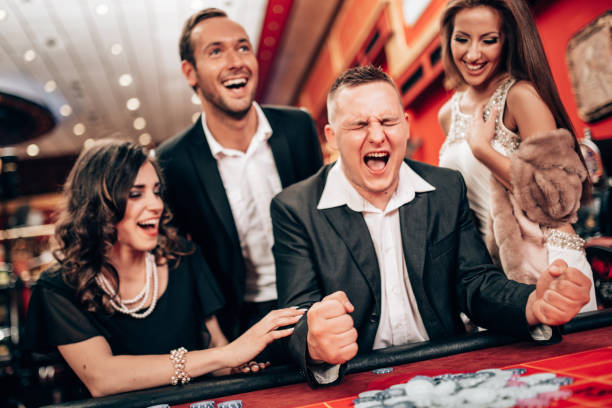
The psychological components of gambling are critical in understanding how luck and skill affect player experiences in casinos. Luck often engages gamblers emotionally, leading to feelings of excitement or disappointment. The randomness associated with lucky outcomes can create euphoric highs, while the absence of favorable results may lead to frustration. This emotional rollercoaster is a central aspect of the gambling experience and significantly influences player behavior. The highs and lows of gambling can create a compelling narrative that keeps players invested in their outcomes.
Conversely, the application of skill can yield a different psychological response. Skilled players often experience greater levels of confidence and empowerment, knowing they can affect their outcomes through strategies and decisions. This sense of control is psychologically reinforcing and can lead to more strategic gambling choices, as opposed to emotionally reactive decisions driven by luck. As players gain more experience and insights, their confidence affects their willingness to engage with more challenging games. This empowerment fosters a more proactive approach to gambling, encouraging players to refine their skills further.
Additionally, understanding the balance between luck and skill can foster a healthier gambling mindset. Players who recognize that luck is transient and that skill can be honed are less likely to chase losses or fall into addictive patterns. By framing gambling as a blend of factors, individuals can enjoy it more responsibly, focusing on the entertainment aspect while respecting the unpredictability of luck. This perspective shift not only enhances the enjoyment of gaming but also contributes to a more sustainable gambling lifestyle.
Your Path to Casino Success
For those looking to succeed in the casino world, understanding the balance of luck and skill is essential. Engaging in games that suit one’s skill set can enhance chances of success while still respecting the unpredictability of luck. Many players often overlook how honing their skills can elevate their gambling experience, leading to both enjoyment and potential wins. Continuous learning and practice will only contribute to a more enriched gambling journey, allowing players to explore various strategies and techniques that can improve their outcomes over time.
Moreover, players should approach their gaming experience with clear financial and emotional boundaries. Establishing limits ensures that the thrill of the game does not lead to adverse outcomes. Casinos often offer thrilling environments, but a mindful approach to both luck and skill can significantly enhance the experience, making it not only enjoyable but also sustainable. By creating a framework within which to gamble, players can navigate their experiences with a clear sense of purpose, minimizing the risks associated with gambling.
Ultimately, whether players favor the thrill of games of chance or the strategic depth of skill-based games, understanding the nuances of both elements will equip them for the best possible casino experience. By appreciating the roles that luck and skill play, gamblers can navigate the gaming landscape more effectively, leading to a more enjoyable and potentially rewarding experience. This balanced approach can transform gambling from a mere pastime into a sophisticated blend of entertainment and strategy, enriching the overall experience in casinos.
